
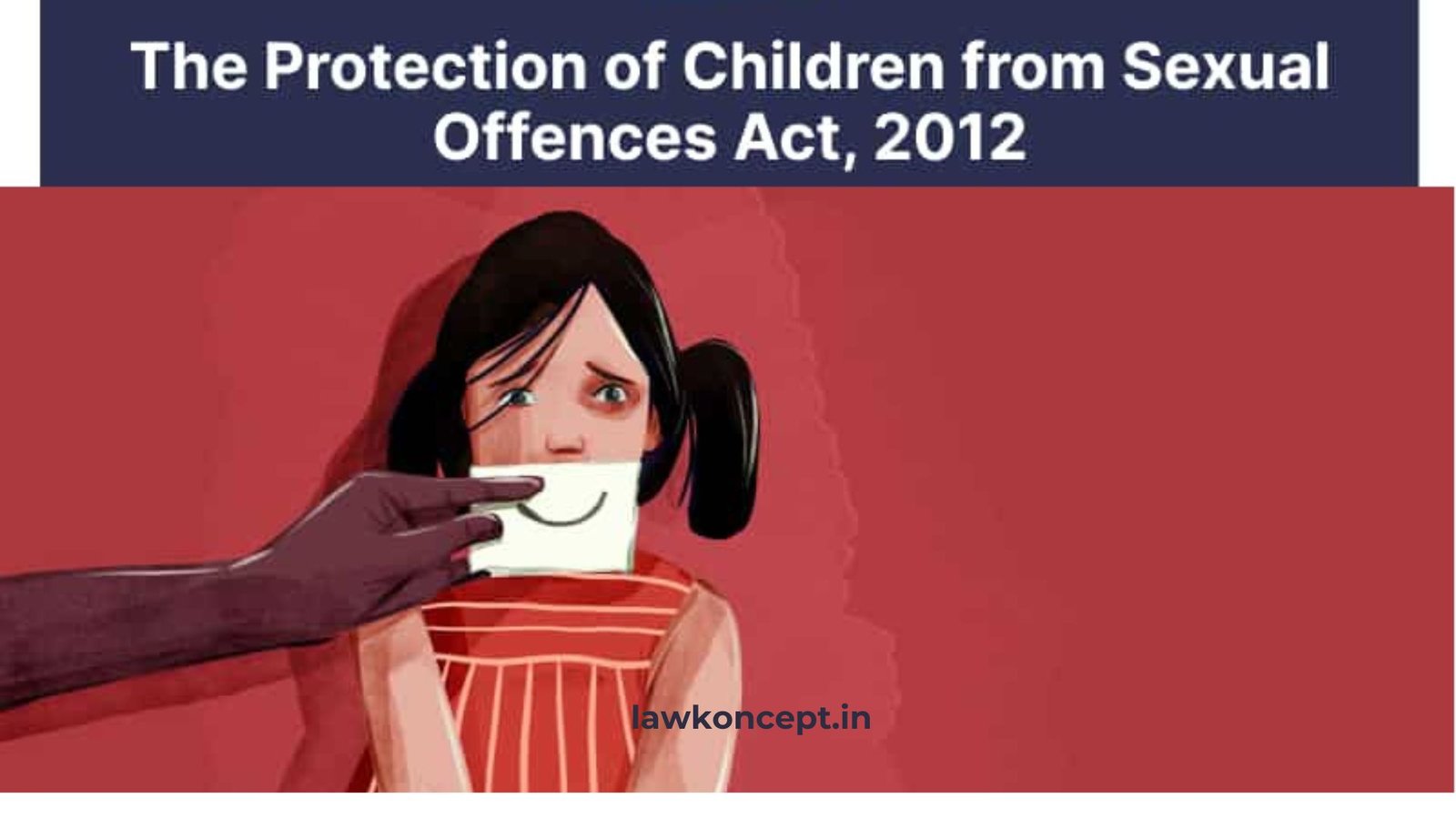
POCSO Act in India: An Easy Guide For A Regular Reader
When someone hears about the ‘POCSO Act’ from a newspaper or television report, it often appears serious, sensitive, and a bit heavy. It is, because this law focuses on arguably one of the most serious issues in our society.
Basically it protects our children from sexual offences. The good news is that this law is designed to help the victim child, help them navigate the legal system and punish those who are responsible to harm them.
In simple words, the POCSO Act is our specific law designed to protect our young people under the age of 18 years from several sexually offensive and exploitative acts or offences against them. Passed in 2012, it is one of India’s most stringent protection laws.
Why Does POCSO Act Matter
Our children are more vulnerable than adults and may find it difficult to explain what has been done to them in words similar to an adult can. The POCSO Act takes this into account, creating a specially adapted child-friendly framework for reporting and trial of these offences.
It ensures the child’s dignity and privacy throughout the proceedings. POCSO trials occur before a Special Court and in a quick manner.
Special procedures are also prescribed where in-camera proceedings, recording of child’s statement specially before a court-appointed commissioner and strict monitoring of court proceedings is undertaken.
Why POCSO Act Required?
Need for POCSO Act In this section, we discussed on POCSO Act needed for UPSC. India is among country to be blessed with world largest child population – Data in Census 2011 indicates that there are 472 million of children under 18 years of age residing in India. State protection to the children is assured for its citizens either through wider interpretations of Indian Constitution of India article 21 and also India is signatories for the UN Convention on Child rights.
Pre prior to POCSO Act only state legislation was on child abuse i.e.
Goa Children’s Act 2003. Childhood sex abuse cases prior to it was prosecuted under sections from IPC: 1) I.P.C. 1860: 375 – Rape; 2) I.P.C. 1860: 354 – Outraging the modesty of a woman; 3) I.P.C.
IPC, 1860: 377 – Unnatural offenses But that would have it own drawback, in following way IPC could not help the victim in effective manner-IPC 375 fails to cover victim who are boys / persons other than from normal peno-vaginal intercourse; IPC 354 does not provide statutory definition of term “modesty” and it only has a weak punishment and is a compoundable offence.
Additionally, the “modesty” of the male child can never be protected with IPC 354; In IPC 377 ‘unnatural offences’ is undefined word or phrase. Also it coversonly the victims into who attacker perform physical sexual penetration and not meant to prosecute children from sexual offense of this nature or any other related child protection legislation; a reform in legislation providing for the protection of children through specific Act was needed;
What Exactly Does POCSO Act Cover?
This law covers various types of sexual crimes against a child, including: penetrating sexual acts, non-penetrating sexual acts or abuse, sexual harassment, and child pornography. POCSO not only penalizes the sexual exploitation but also defines and punishes different types and degrees of these sexual offenses-some even more severe when committed by someone in authority. In short, it goes beyond just physical acts to cover all types of sexual misuse, including digital.
Salient Features of the POCSO Act
- The ‘children’ as defined by the act are persons below the age of 18 years. The Act is gender-neutral.
- The various forms of sexual offences including and but not limited to, sexual harassment, pornography, penetrative & non-penetrative assault, have been defined by the act.
- Sexual assault to be ‘aggravated’ under given situations when the child is mentally ill, etc. Also, it is so declared when an abuse has been perpetrated by someone in the capacity of doctor, teacher, policeman, relative and the like.
- The Act makes sufficient arrangements to refrain a child from getting further violated through the judicial system. An official like police person who acts as ‘child’s protector’ while investigating the case has been allocated by the act.
- The Act mandates taking steps which facilitates a child-friendly environment and expedite the judicial procedure to the point of disposal of case within a year from date of offense reporting.
The Act provides for dedicated ‘Special Courts’ to hear and decide matters relating to such offenses and related proceedings. - According to section 45 of the act, the authority to form rules and regulations vested with the central government.
- NCPCR and SCPCR have been delegated the duty and powers to oversee the successful implementation of the POCSO Act. NCPCR & SCPCR are legal bodies as established under law.
- The POCSO Act can overcome the contrary provisions in any other law as stated in Section 42A of the act.
- It makes obligatory the duty of reporting any sort of sexual offenses and defines any false grievance framed with intentions of defaming someone to be punishable.
How POCSO CaseTypically Proceeds
If a complaint is filed, the authorities initiate action immediately. A child-sensitive method is followed to record the statement. After investigation, the matter is taken up by the Special Court. The whole emphasis is not only to punish the offender upon establishment of his guilt but to provide succour to the child, provide support and security from being re-victimized. In some situations the courts can pass orders relating to compensation or rehabilitation.
POCSO Act Punishment?
The punishment under POCSO varies significantly depending on the nature and severity of the offence. Some acts of child sexual abuse are punished with severe imprisonment terms, especially those involving aggravated circumstances such as the perpetrator being in a position of authority or a repeated offender. This is a serious law meant to act as a deterrent. Since the actual penalties and sections are numerous, each situation will need to be evaluated individually, and you should always get facts right before passing any judgment.
What To Do If a child is in danger or has been a victim
Protecting the victim child and immediately reporting the matter to a trusted adult or law enforcement is the first priority. In addition, arrange for appropriate support for the child and don’t try to probe for every detail or discuss it publicly. Always ensure that the child’s well-being comes first; privacy, patience, and professional support go a long way in such sensitive situations.
Why Is Lawyer Advice So Important?
Child sexual abuse cases are emotionally charged and legally complex. A lawyer’s expertise can be instrumental in ensuring timely reporting, thorough documentation, child’s protection throughout the legal process, and pursuing justice effectively. For parents, guardians, schools and all well-meaning individuals, understanding some fundamental aspects of POCSO Act can be invaluable.
FAQ
1. What is the Full Form of POCSO?
Full form of POCSO: Protection of Children from Sexual Offences Act, 2012.
2. Who is covered under the POCSO Act?
Anyone below the age of 18 years is protected under POCSO Act.
3. Is the POCSO Act only for physical abuse?
No. It deals with physical, sexual abuses, Sexual Harrasment, child pornography acts or similar offensive behavior concerning child.
4. Which court hears POCSO cases?
Such offences are taken up by Special Court’s established for this Act.
5. Can a child get compensation in a POCSO case?
Yes, with the court’s discretion for suitable compensation or other forms of rehabilitative support depending on the severity and type of abuse.
6. Why is POCSO treated so seriously?
Because it fundamentally protects the child’s dignity, safety and future from exploitation. Laws governing it are strong for the welfare and safety of the child, with stringent punishments to address child sexual abuse.