
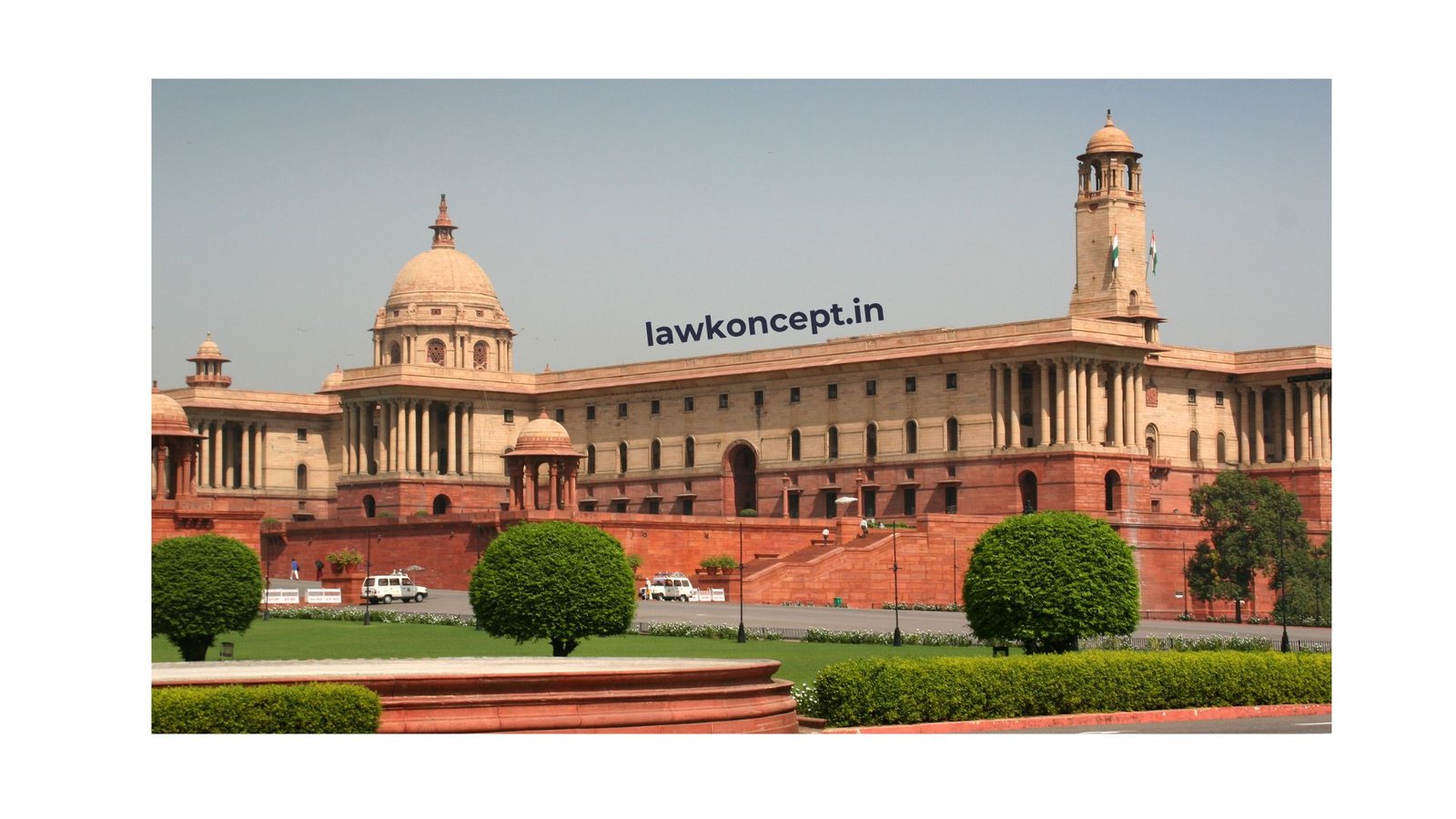
Parliament of India
For most people Parliament signifies fiery political debates on television, passing laws and delivering eloquent speeches. While this is not untrue, it is much more and signifies the place where crucial decisions impacting the country are discussed, questioned and turned into law.
For instance, in India, it constitutes the Supreme Legislating body, the back bone of our law making procedure along with the “President of India”, “Lok Sabha” and “Rajya Sabha”.
So, What is Parliament?
To put in simple terms, it is the country’s main law-making and questioning institution, the elected representatives of country are involved in discussion over the important Public issues, formulating laws, aproving government’s finances and observing the working of government.
So in the question Who decided what is to be included in Annual Budget?
Or New laws to be formed?
Or the country’s Policy?
The answer always lies in Parliament.
It is the most critical institution of a country to bridge the gap between citizens & government and thus most important in any democratic system.
Structure of Parliament in India
Indian parliament consists of the following three organs –
The “President of India”.
The “Lok Sabha” or The House of the People.
The “Rajya Sabha” or The Council of States.
The “Lok Sabha” is called the lower house and “Rajya Sabha” as upper house of Indian Parliament whereas “Rajya Sabha” is a permanent body as cannot be dissolved while “Lok Sabha” has fixed tenure.
Main Functions of Parliament
Under the country’s democratic set up, the parliament performs the various roles such as:
Law-making: Passing laws for the nation.
Financial control: Approval and control of country’s budget.
Oversight of the government: Questions ministers, scrutinizes government functioning etc.
Constitutional functions: Power to amend Constitution of India.
Representation of the citizens: Representation of people as it reflects the aspirations of citizenry.
Why Parliament is Important
Because Parliament represents all aspects of democratic functioning in the nation. Laws are passed by the approval and active contribution of people. In a democratic country if there is no parliament or parliament not functioning efficiently that country cannot be ruled properly and there would be no accountability of government.
Lok Sabha and Rajya Sabha
The Lok Sabha has direct representaton of citizens so it reflects the popular sentiment of the country in a better way whereas the Rajya Sabha acts as a symbol of unity in diversity in our Country it contains represntaives of states that’s why it never dissolves unlike the Lok sabha and acts as an permanent house of parliament.
Parliament Vs. Government: A Distinction
Most people don’t understand the difference between Parliament and government. But there is a very basic distinction between the two terms. The ‘Government’ is formed out of The ‘Parliament’.
The Government is the body of ministers to govern.
Whereas the Parliament is the house of people to whom the Government is responsible. The Parliament in other words makes the rules according to which the country is to be ruled, and the government implements it through out the country.
Frequently Asked Questions
1. In brief, what is parliament?
Parliament is the country’s central law-making institution where elected officials meet to make laws.
2. What are the two houses of Indian parliament?
The two houses are Lok Sabha and Rajya Sabha.
3. Is the President a part of Parliament in India?
Yes, the President is considered an integral part of the Indian Parliament.
4. Why do we call Parliament bicameral?
It is called bicameral because it consists of two houses, the Lok Sabha and the Rajya Sabha.
5. What are the major powers Parliament holds?
The major powers of Parliament include making laws, approving budgets, scrutinizing the government’s activities, and amending the constitution