
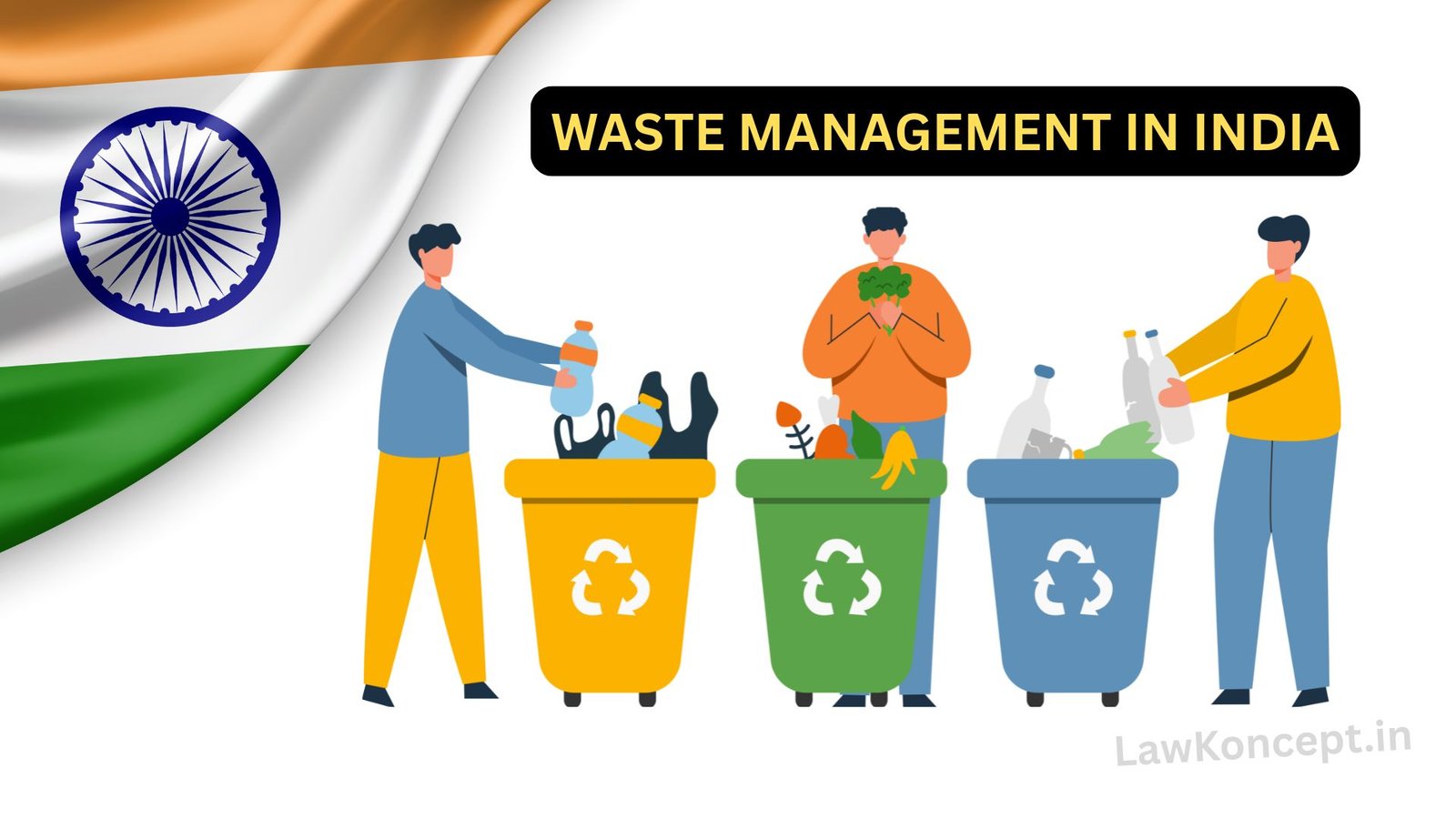
Waste Management in India
The Waste Management within India is managed through the Union Ministry of Environment, Forests, and Climate Change. In India there are many established rules for managing waste that are based on the different concepts in “precaution”. “sustainable development”, and “polluter pays”.
The idea behind Waste Management requires businesses and cities to look after their immediate environment and surroundings by repairing any possible harm they could create. Due to the massive expansion of the economy in recent times the amount of waste is increasing dramatically. There are laws that significantly control the methods to handle waste of different types in the Environment Protection Act of 1986.
Statistics Related to Waste Management in India
India produces an estimated 62 million tonnes of garbage each year. Out of that 70% are not collected. Research has revealed the fact that just 12 million tons of waste are treated and the remaining 31 million tonnes is put into landfills.
The total amount of solid municipal waste expected to grow to the 165 million tonnes mark in 2030 due to shifting patterns of consumption and the rapid growth of the economy.
Urban versus Rural Waste Management
It was discovered by government officials and they have concluded that urban India is than responsible for the large portion of waste management. This includes cities such as Delhi. Mumbai and Bangalore are the two cities that produce the most quantity of waste. However, rural areas at present are not far behind.
Rural areas are also contributing to the burden of overall waste by using inefficient methods for the disposal of waste in India. While urban areas have a decent infrastructure for recycling and disposal of waste but the rural areas are not equipped with the most basic of systems for waste management. This is exacerbates the issue.
Key Challenges in Waste Management
The most significant challenges to the management of waste in India are:
Waste Management in India
Lack of infrastructure A major and important issues related to the management of waste within India is the absence of a sufficient infrastructure. Many towns, cities and villages are not equipped with the right infrastructure for disposal and treatment of waste which leads to regular trash build-up in landfills beneath the skies.
Financial Constraints – The financial strain on local bodies to handle garbage disposal throughout India effectively is enormous. Given the budgetary constraints, many are struggling to fund various contemporary waste management systems and result in different obsolete procedures.
Public Participation and Awareness Public participation in separating waste and removal in India is apathetic. This is typically because of the absence of awareness. Effective methods for managing waste require active participation from Indian citizens. It is a problem that has not been addressed.
Implementation of Policies – Although India has different policies and regulations for managing waste however, the best way to implement all of these policies isn’t determined to be consistent. The gap that exists between the formulation of waste management policies and their implementation is one of the major obstacles.
Effective Solutions to Improve Waste Management
The many effective options for improving the management of waste in India include:
A significant investment in Infrastructure to address the issue of waste disposal and treatment it is necessary to make an investment of a significant amount in the area of infrastructure. The idea of constructing more facilities for waste treatment recycling facilities, recycling facilities, and composting units could be helpful in reducing landfill load.
Promoting the Waste Source Segregation – Inspiring citizens to segregate their waste as the source could significantly improve the efficiency of disposal and treatment. Public awareness campaigns and as incentives can be a great way to inspire people to change their practices for waste disposal.
Utilizing Technology Making the Most of Technology technology has the potential to revolutionize the way we manage waste in India. From the placement of smart bins to keep track of the amount of waste, to promoting apps that inform and inform citizens about the disposal of waste in India technology could very effectively make the difference between production of waste and the removal.
Participation of the private sector Participation of private waste management firms can add a wealth of experience and expertise to the whole process. A number of waste management companies such as Northamps which is based in Kochi, Kerala have shown that the involvement of the private sector can provide new solutions and improved practices that improve waste management across India.
Best Practices Related to Waste Management & Disposal
India could learn from the many global top practices that are in place within the realm of waste disposal and treatment. Countries such as Japan as well as Sweden have achieved nearly zero levels of waste through combing various efficient processes such as recycling plants, waste-to energy plants and strict waste management guidelines. Implementing all of the waste management methods in India increases the likelihood of decreasing the environmental impacts of waste.
Initiatives to encourage Recycling Waste Recycling The recycling of waste should be promoted in India at the earliest levels and this can significantly cut down on the quantity of garbage that is disposed of in landfills today. Additionally, offering incentives for recycling and making recycling facilities readily accessible are just a few of the crucial steps that can be implemented.
Organic Waste Composting Compiling the organic waste that is produced can dramatically reduce the amount of waste sent to landfills. It also provides compost that is rich in minerals, and is beneficial for farming. Encouragement of home composting and community composting could prove to be an effective method for treatment and disposal of organic garbage.
Conversion of waste to energy Waste-to energy plants aim at having two advantages in reducing the amount of waste produced and also producing a large amount of energy that can be used. Through the conversion of non-recyclable waste into energy, India will be able to tackle both processes involved in waste management and simultaneously deal with energy shortages at the same time.
Conclusion
The management of waste is a major issue in India is a complex issue that requires a specific combination of infrastructure development as well as influencing policies, participation of the public, and also the involvement by business.
A number of private companies in the waste management industry such as Northamps are currently making progress towards this goal. This offers optimism for the foundation for a sustainable future.
In tackling these issues face-to-face and adopting various efficient strategies, India can very likely improve its overall practices of waste management. This will lead to a healthier and more hygienic environment.