
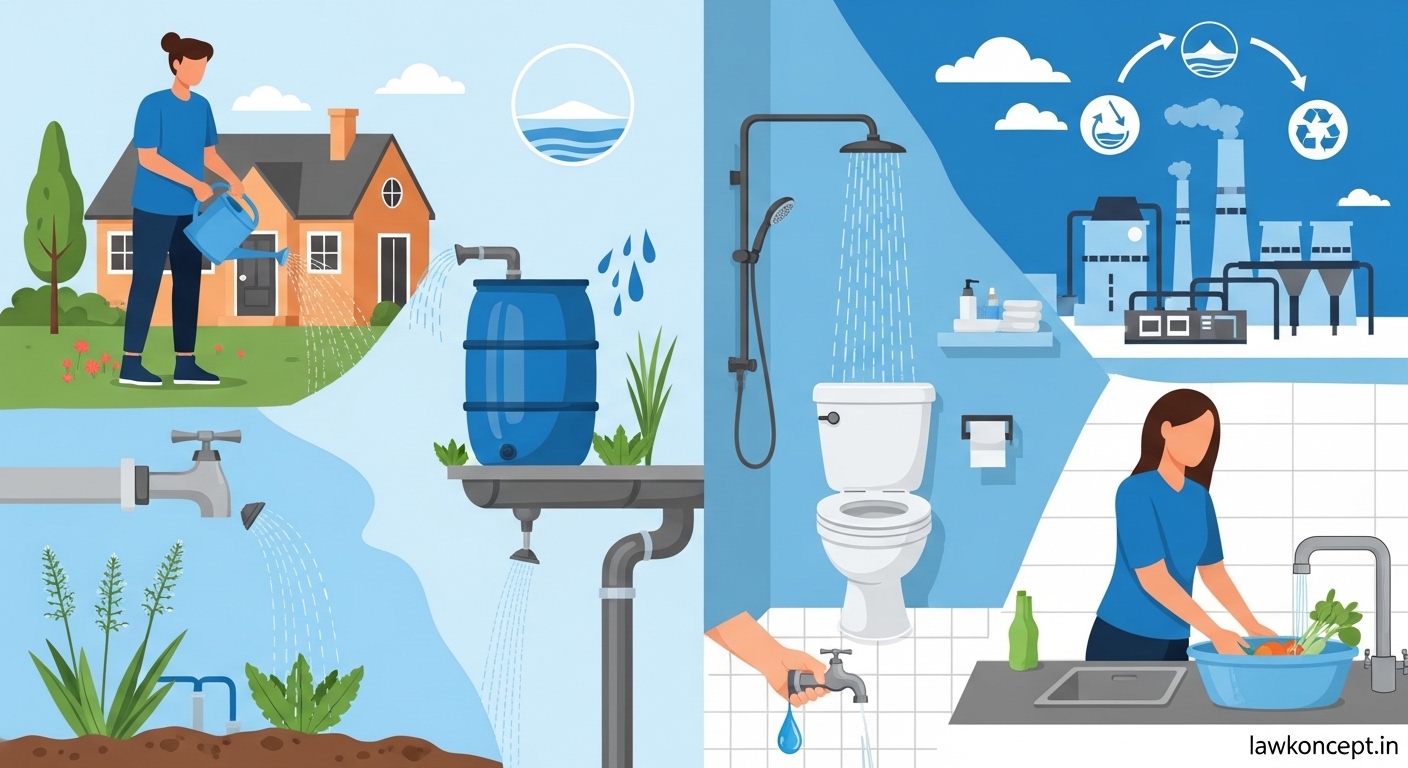
Water Conservation Methods in India
India has an extensive and long-standing tradition of conservation methods for water that date back hundreds of years. These practices have played an important part in ensuring the security of water for the people of India especially in semi-arid and arid regions.
Rainwater harvesting
Rainwater harvesting is among the oldest and extensively used water conservation methods in India.
Examples: Johads (small earthen check dams constructed in dry regions to store and capture the rainwater) along with Taanks (traditional underground storage of water, typically located in Rajasthan)
Minimal use and conservation traditional irrigation canals and the storage of surplus water
An example: The Ahar-Pyne system in Bihar that includes channels known as pynes as well as retention ponds
The Bamboo drip irrigation methods, such as water is taken from a source like a tank or stream, and released through tiny holes in bamboo pipes, right to the roots of the plant.
Example of bamboo drip irrigation. which is practiced by tribes in Northeastern states such as Meghalaya.
Storage and using the water derived from glacial melts.
Example: Zings in Ladakh, Kuhls in Himachal Pradesh.
Usage in the home: Traditional household water harvesting systems.
Examples: Talab/ Bandhi – Reservoirs used to conserve water for drinking and domestic consumption.
Benefits of traditional conservation techniques for water
Groundwater recharge: Several traditional structures that conserve water including steps wells (baolis) and check dams and percolation tanks aid in recharge of groundwater.
Dryness mitigation aids in reducing the effects of droughts by conserving rainwater and preventing its runoff. The stored water can be used during times of water shortage.
Reduced erosion of soil Check dams and contour bunding aid in reducing how much water flows and helping to prevent soil erosion. This is vital to ensure soil fertility and keeping topsoil from being lost.
Community empowerment Community empowerment: Traditional water conservation projects usually include local residents in the planning their implementation, maintenance, and even the construction. This not only gives communities, but also guarantees the long-term sustainability of these projects.
Preservation of cultural heritage A lot of traditional water structures aren’t just functional but also hold historical and cultural significance. Conserving and maintaining these structures is essential to the preservation of India’s rich heritage cultural.
1 thought on “Water Conservation Methods”