
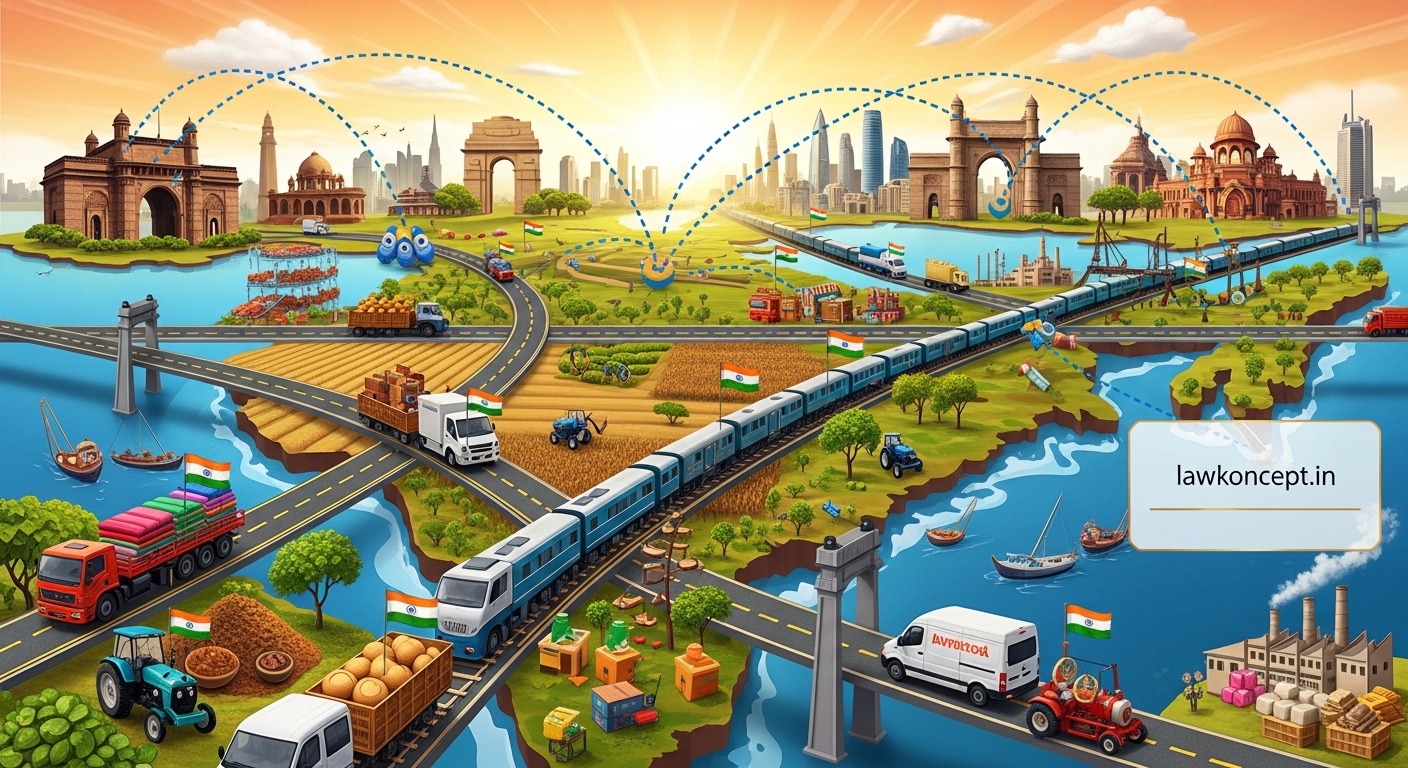
The Internal trade of india, commonly referred to as domestic trading. That make the exchange of goods and services within a country (india). Or within the boundaries of a particular country’s geography. Internal trade is the purchase and sale of services and commodities within a nation.
There are no taxes on imports or exports or customs duties imposed under these circumstances of trade within the country. Taxes collected by local authorities are the only ones to be considered.
Trade divided into two categories:
- Trade in wholesale
- Retail trade
Wholesale Trade
A single of the significant kinds of trade in the domestic market is wholesale. The products are generally bought in large quantities from producers in this kind of trade. They are then stored before being offered to retailers, middlemen and the traders as well as other retailers. The products sold in wholesale trades can’t be directly sold to the consumer. Thus, the wholesaler’s buyers are all commercial customers or other intermediaries, not consumers who are final.
Wholesalers play an essential part in the country’s economic cycle. They are a conduit between merchants and producers. Wholesalers are not required to provide a variety of goods because they work with consumers who are not yet consumers. They generally specialize in one kind of item or type. However, they do make large orders and keep them in storage.
Wholesalers perform duties to support both the manufacturer as well as the retailer. They are involved in a range of tasks that relieve the burdens of both. This is the reason why even in the modern trade system, including Direct retail stores, department shops and other outlets wholesalers still contribute to the cycle of trade and economy.
allows for large-scale production Manufacturers generally make large batches of the products they sell. This helps them lower their expenses and benefit from the economies of scale. But, they can only achieve this because wholesalers purchase in the bulk. Wholesalers Wholesaler will gather all the small orders from different kinds of shops and then place an order that is larger with the producers. This allows them to expand the quantity of their products, without worrying about spoiling or warehousing.
Risk Assumption If a wholesaler purchases items from a manufacturer they also take on all the risk. This includes dangers such as fire, theft or spoilage, fluctuations in demand as well as many other. The wholesaler will even pay the insurance costs. If there isn’t an agent for wholesale, a situation similar to this one could occur.
Finance Cooperation: Wholesalers assist producers financially. They tend to be compensated in cash or by Cheque for their products. In the event that their purchase request is large enough, they could make a payment in advance. This will not only help the producers avoid unpaid debts, but helps them to free up working cash.
Distribution is one of the most important marketing functions. It helps manufacturers eliminate the barrier of area by providing products wherever they are needed. Wholesalers are however the ones who provide this task for manufacturers. They offer the product to a range of retailers across a large geographic area which allows them to spread the products across an extensive geographic area.
Warehousing is a different marketing function. Wholesalers buy large quantities of goods in bulk from the manufacturers and keeps these in their warehouses and go-downs. Storage headaches for manufacturers are significantly reduced due to this.
Retail Trade
The distribution of goods in small quantities to customers is known as retail trade. Retailers purchase items from wholesalers and sells them to consumers. Retailers are those who sell products directly to consumers at a local and at the level of. Because of a lack of money and the demand for their products, they are unable to buy items directly from producers. Therefore, they acquire wholesalers’ items with quantities they feel comfortable with. In India, the Department of Promotion of Industry and Internal Trade in India is responsible for making it simpler for retailers to conduct business in accordance with the Chapter 11 on Class 11. Internal Trade.
Retailers act as a vital connection between manufacturers and their customers. They are the most important point of sale throughout the distribution chain and are incredibly important. In actuality, they provide services to wholesalers as well as consumers.
This is the function of the place utility, and is the last step to the distribution of products. In order to sell the product to the end consumer manufacturers, wholesalers, or wholesalers can’t cover a wide geographical area or market. The retailer’s job is to create utility in the place as well as ensure the products are widely distributed and accessible to all customers. Retailers are the intermediaries between wholesalers and consumers.
Selling efforts that are tailored to Your Specific Needs Certain products that need to be sold in the person. These are not standard items and cannot be bought off the shelves. The manufacturer does not have the responsibility of selling the item; that is the responsibility of retailers. To make a sale the retailer employs personal selling techniques.
Allow the possibility of economies of scale Because retail outlets break up the bulk of their sales, a manufacturer can manufacture items in bulk, and a wholesaler can purchase items in huge quantities. Even though they buy in bulk, they market in smaller (and sometimes, even individual) pieces. Wholesalers, producers and even the wholesalers could gain by economies of scale because of this.
Market data obtained from on a regular basis retail stores have the sole privilege of being who have direct contact with customers. They are the only ones in a position to offer manufacturers valuable feedback from consumers.
Retailers are the initial one who a consumer contacts when there is a problem or issue. He can also assist wholesalers and producers by offering promotions and advertising. The retailers typically participate in promotions like placing advertisements for their products within their stores, running promotions, sales, discounts, etc.