
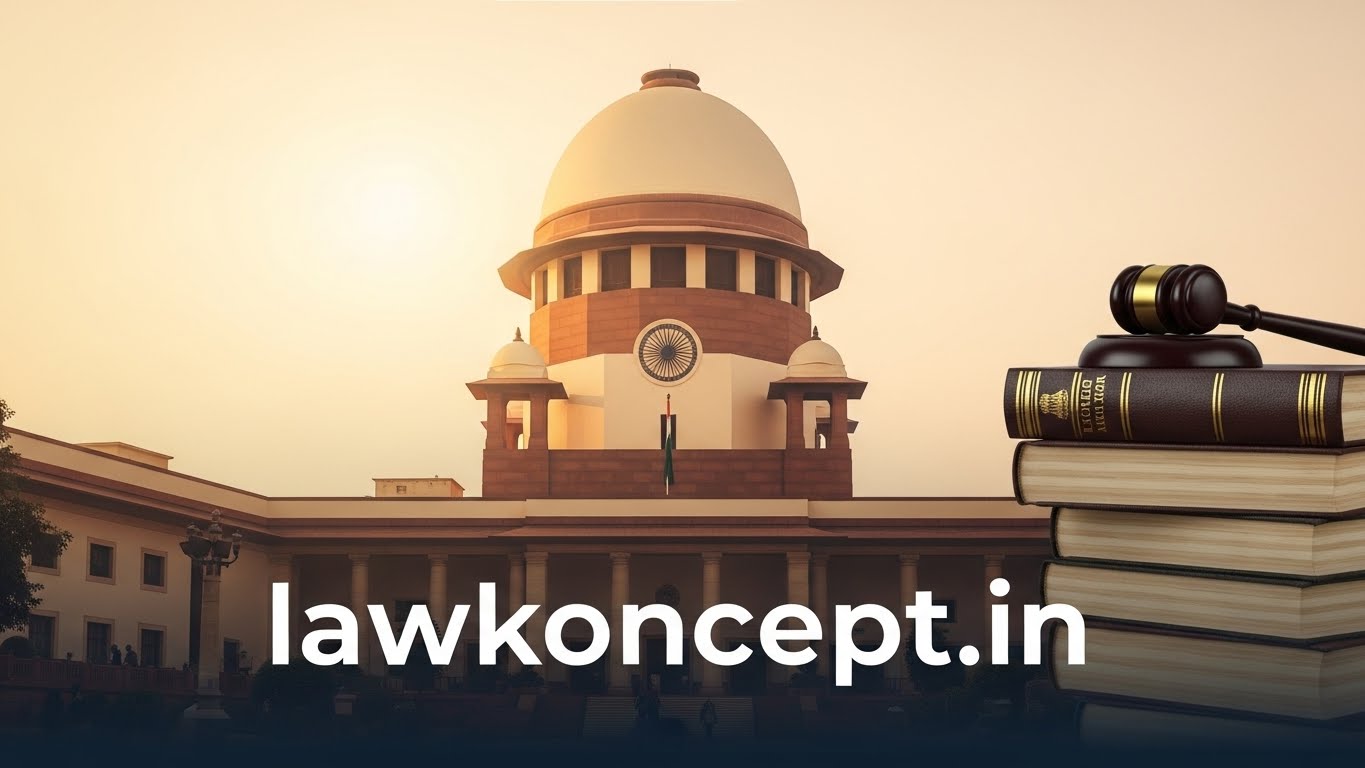
Supreme Court of India is the apex judicial body in India. It is the ultimate court of appeal and the guardian of the Constitution with the authority for judicial reviews. That is also deals with disagreements between government agencies and delivering an advisory opinion.
The court was founded in 1950. It consists of the Chief Justice of India as well as up to 33 judges.
Contents
Functions & Powers
The primary duties for the Supreme Court include adjudicating disputes (between states, central/states, or appointing appeals against lower court decisions). It also interprets the Constitution and is the protector of the fundamental rights by granting the writs.
Exercising the power of judicial review to decide whether laws are unconstitutional and giving advisory opinions to the president, as well as acting as an official court whose rulings are binding on any other courts and tribunals.
Its Supreme Court composition consists of the Chief Justice of India (CJI) and as many as 33 judges, with a total of 34, authorized by the Parliament to boost the strength.
Judges are appointed by the president through consultations and are appointed until the age of 65. They hold their office under a warrant that is signed by seal and hand, and with their independence protected through impeachment procedures.
Composition Details
- Total Judges: One Chief Justice and thirty-three other judges make up the Supreme Court’s current membership of 34.
- Article 124(1) of the Constitution grants the authority to increase the number of members. It gives parliament the authority to change the number of judges as needed.
Appointment of Judges
- The nominations of the SC judges are made by the President of India. They all are appointed by the prez.
- Before appointing judges, the president talks or consults with the chief justice and other members of the Supreme Court and High Court.
- Seniority of the judges is not necessary for the appointed and also not prescribed by the constitution. However, the most senior judge is typically appointed chief justice.
Tenure & Retirement
The age limit for judges is 65. Judges are in office until they reach age of 65.
Removal: They are able to remove by President in an impeachment procedure initiated by the parliament for a proven incapacity or misbehavior.
Retirement of Supreme Court (SC) judges in India is mostly determined through Article 124 in the Constitution which establishes the age of retirement for mandatory judges at 65 years old.
Key Points for Judge’s Retirement
There are many important provisions available with regard to the retirement of the Supreme Court judges. However, the most important include the obligatory retiring age, which is 65 years. Others are given below:
- Judges can also resign by notifying the president in writing or be removed via a complicated impeachment procedure that requires a specific majority in the Parliament based on “proved misbehavior or incapacity.”
- Following the time of retirement, judges will be barred from presiding in the courts of any Indian tribunal or in front of any authorities. However, they can assume other judicial duties, including serving on tribunals or as judges ad hoc from the Supreme Court if requested by the Chief Justice with the President’s consent.
- Post-retirement appointments to the government have sparked concerns about the independence of judges. Judges who retire also have access to benefits. They were revised in 2022 to include features such as a chauffeur and security.
- The Constitution does not establish the minimum age for appointment, which results in different lengths of time before retirement at age 65. Judges of the High Court, however, retire at 62.
Jurisdiction of Supreme Court?
The Supreme Court has the following powers regarding jurisdiction, which are legal:
1) Originary Jurisdiction: The Following are the first jurisdictions that the SC:
- According to article 131 of the Constitution The SC acts as the original court. The SC exercise this jurisdiction in cases in which the dispute is among the federal government and the state government, or between states’ government.
- As per article 139 of the Constitution The SC are empowered to issue writs or orders or directions.
- Article 32 of the Constitution: The SC additionally has authority to apply Fundamental Rights. Anyone can go directly to the Supreme Court if their fundamental rights have been violated.
- Under Article 139A of the Constitution. The SC at its own discretion, or with the direction by the Attorney General India can decide to take over cases. Even during the case is pending in the high courts when the same matter is to be resolved by the SC which is connected to a law-related issue. It could also transfer the in-progress cases, appeals or other cases to ensure justice to the one HC in another HC.
2) Jurisdiction of Appellate: As per article 132, 133 and 134 of the Constitution. The SC can exercise appellate authority in cases that concern criminal, civil, or Constitution. Additionally, in accordance with article 136 which is the law of the land, the SC has the authority to grant special leave that is issued given by any tribunal court in India however this doesn’t apply to Army courts.
3) Review Jurisdiction: As as per Article 137 in the Constitution, the SC is empowered to review laws passed in the Legislature.
4) Jurisdiction of Advisory: As per article 143 of the Constitution and article 143 of the Constitution, the SC may provide advice to that the President India regarding the law issue, and the nature of the issue is of public significance. Additionally, the President is able to solicit opinions on matters that relate to Section 131, Article 1, of the Constitution.
FAQ
1. How many supreme court in india?
There is only One Supreme Court in India.
2. How many judges are there in supreme court?
There are right now 34 judges in the supreme court inclusing CJI
3. Who is the chief justice of supreme court?
Shri Justice Surya Kant
I believe this site holds some real excellent info for everyone : D.